

[ad_1]
Traditional Miso Soup
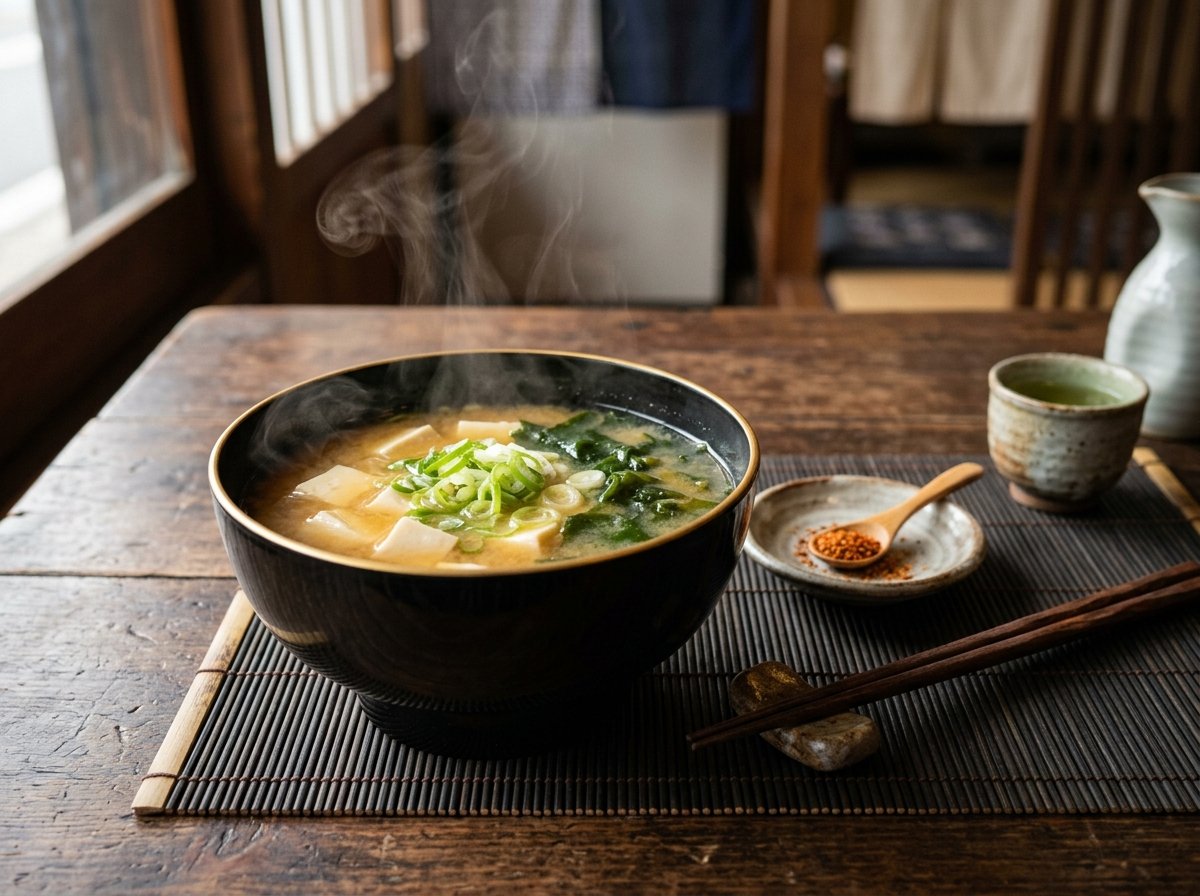
Miso soup is more than just a warm bowl of comfort; it’s a cornerstone of Japanese cuisine and culture. This nourishing soup blends miso paste, a fermented soybean product, with dashi, a light broth that adds depth and umami flavor. Featuring delicate tofu, seaweed, and green onions, miso soup offers a harmonious balance of textures and flavors that make it perfect for lunch or dinner. Whether warming your soul on a chilly evening or serving as a delightful starter to a larger meal, this homemade soup brings a sense of warmth that is both cozy and inviting.
In this article, we will explore the ingredients, preparation, and variations of miso soup. We will delve into why this easy soup recipe is cherished globally and its role in the culinary landscape of Japan. Perfect for any season, miso soup is an excellent addition to your collection of comforting soup ideas.
Why You’ll Love This Soup
- Easy soup recipe that anyone can master.
- Comforting meal that’s ideal for cold nights.
- Healthy soup recipes rich in probiotics and nutrients.
- Meal-prep friendly, great for batch cooking.
- Family-friendly, appealing to all age groups.
- Freezer-friendly, perfect for making ahead.
Ingredients
- 4 cups dashi broth (homemade or store-bought)
- 4 tablespoons white miso paste
- 1 cup silken tofu, cubed
- 1/4 cup wakame seaweed, soaked and chopped
- 2 green onions, thinly sliced
- Optional: sliced mushrooms, carrots, or other vegetables of choice
Step-by-Step Instructions
- Begin by preparing the dashi broth. If using instant dashi, follow package instructions.
- In a saucepan, bring the dashi to a gentle simmer over medium heat.
- Once simmering, add the cubed tofu and wakame seaweed. Cook for about 2-3 minutes until heated through.
- Reduce the heat to low. Take a small amount of the hot broth and dissolve the miso paste in it before adding it back to the pot. This step prevents clumping.
- Stir well to combine all ingredients, cooking for an additional minute.
- Remove from heat and serve hot, garnished with sliced green onions.
Pro Tips & Common Mistakes
- To avoid a bland broth, ensure your dashi is well-seasoned.
- Don’t let the soup boil after adding miso as it can kill its beneficial bacteria.
- Avoid overcooking the tofu; just warm it gently to maintain its texture.
- If your soup turns out watery, try adding a bit more miso for flavor and substance.
- For a thicker soup, you can blend a portion of the tofu into a smooth paste before adding it back into the soup.
Variations
Feel free to adapt this miso soup recipe to your preferences:
- Creamy version: Add coconut milk for a creamy and rich texture.
- Healthy version: Incorporate extra vegetables like spinach or bok choy.
- Vegetarian option: Use vegetable dashi or simply water with miso.
- High-protein soup: Include chickpeas or edamame for added protein.
- Spicy version: Add a touch of chili paste or fresh ginger for heat.
- Slow cooker version: Combine ingredients in a slow cooker and cook on low for 4 hours.
Serving Suggestions
Miso soup can be enjoyed in many ways:
- Pair with warm, crusty baguette or rice for a complete meal.
- Serve alongside a fresh garden salad or sushi rolls.
- Use as a delightful starter for any Asian-inspired dinner.
- Perfect for lunch, serving in a thermos for a warming treat at work.
- For a cozy meal, enjoy it with grilled cheese or rice balls.
Storage & Reheating
To store your miso soup properly:
- Refrigerate leftovers in an airtight container for up to 3 days.
- For longer storage, freeze the soup after cooling completely, without tofu, for up to 2 months.
- When reheating, avoid boiling, and warm gently on the stove. Adjust seasoning, adding more miso if necessary.
Nutrition Information (Approximate)
- Calories: 200
- Carbs: 20g
- Protein: 10g
- Fat: 5g
FAQ Section
- Can I use different types of miso? Yes, red or yellow miso can be used depending on your taste preference.
- Is miso soup gluten-free? Check the dashi ingredients; most miso pastes are gluten-free, but some dashi may contain it.
- Can I make this soup vegan? Yes, use a vegetable-based dashi or water instead of fish-based dashi.
Conclusion
Miso soup is a soothing, wholesome dish that showcases the cultural significance of its ingredients and preparation. We hope this recipe inspires you to make your own homemade soup that not only warms your body but also connects you to rich culinary traditions. Enjoy every comforting spoonful!
[ad_2]