

[ad_1]
In the realm of gluten-free baking, achieving the perfect loaf can be a delightful yet challenging endeavor. With the right recipes and techniques, however, you can create a variety of delicious gluten-free bread that satisfies different tastes and occasions.
Why You’ll Love This Bread
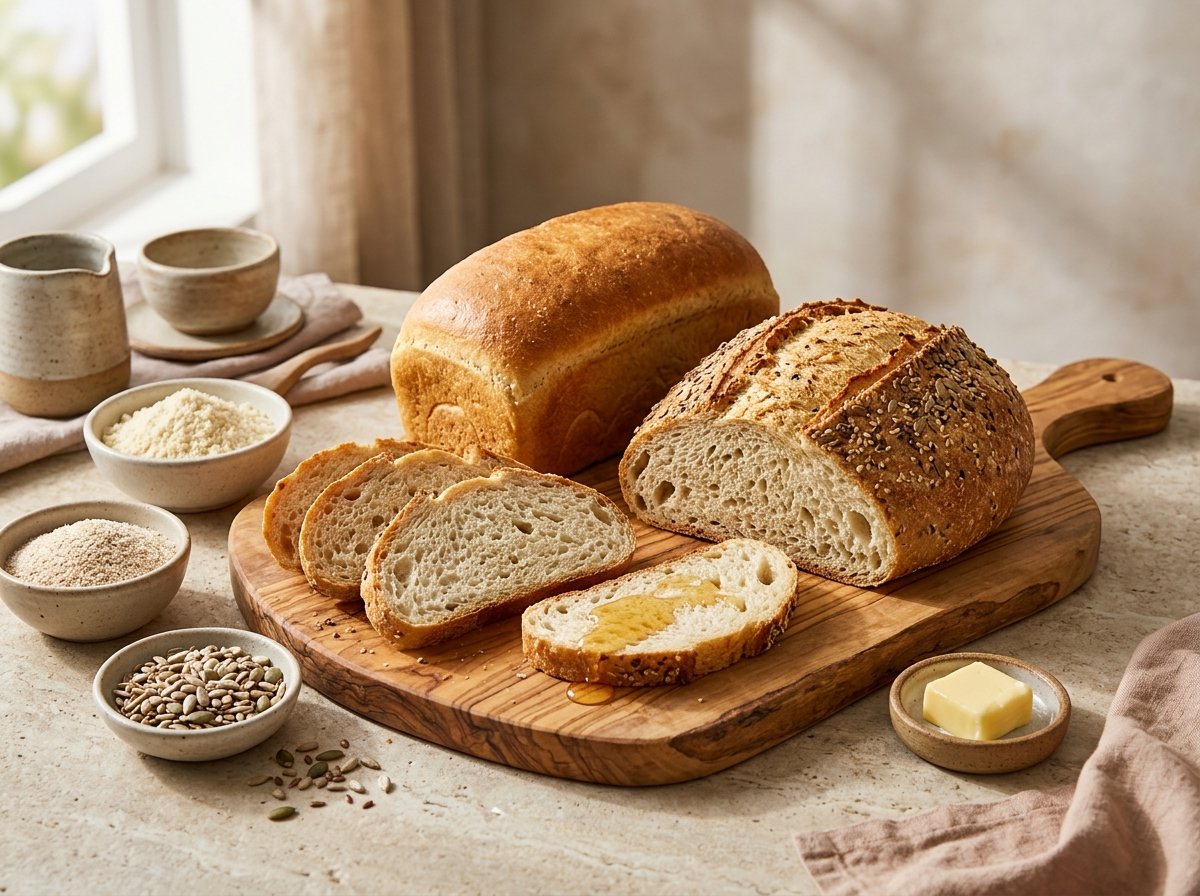
This guide focuses on easy homemade bread recipes that will impress your family and friends. Whether you’re after soft bread for sandwiches or artisan-style loaves, these recipes promise fresh baked bread that rivals the finest bakery-style bread.
Ingredients
While each recipe uses specific ingredients, here are some commonly used gluten-free items to keep in your pantry:
- Gluten-free flour blend (e.g., almond flour, coconut flour, or a store-bought mix)
- Xanthan gum (or psyllium husk)
- Yeast (active dry or instant)
- Salt
- Sugar (or honey)
- Water
- Oil (olive oil or melted coconut oil)
Step-by-Step Instructions
Here’s a simple gluten-free bread recipe to get you started:
- Prepare the Yeast: In a bowl, dissolve 1 tablespoon of sugar and 1 tablespoon of yeast in 1 cup of warm water. Let it sit for 5-10 minutes until frothy.
- Mix Dry Ingredients: In a large bowl, combine 2 cups of your gluten-free flour blend, 1 teaspoon of salt, and 1 teaspoon of xanthan gum.
- Add Wet Ingredients: Once the yeast mixture is ready, add 2 tablespoons of oil and mix it with the dry ingredients until a dough forms.
- Knead the Dough: Knead the dough for about 5-10 minutes until smooth and elastic. If it feels too sticky, add a little more flour.
- First Rise: Place the dough in a greased bowl, cover it with a damp cloth, and let it rise for 1 hour in a warm place.
- Shape and Second Rise: Preheat your oven to 375°F (190°C). Shape the dough into a loaf and place it in a greased loaf pan. Let it rise for another 30 minutes.
- Bake: Bake for 30-35 minutes or until golden brown. Tap the bottom of the loaf; if it sounds hollow, it’s done.
Pro Tips & Common Mistakes
To ensure your gluten-free bread turns out perfectly:
- Make sure your yeast is fresh for optimal rising.
- Use a kitchen scale for accurate measurements.
- Do not skip the kneading step; it helps develop a better texture.
- Keep the dough covered while it rises to prevent drying out.
Variations
Feel free to customize your basic gluten-free bread recipe with these additions:
- Garlic Bread: Add minced garlic and herbs to the dough before baking.
- Cheesy Bread: Incorporate shredded cheese for a savory twist.
- Whole Grain Bread: Mix in gluten-free oats or seeds for added nutrition.
Serving Suggestions
This gluten-free bread is versatile and can be enjoyed in various ways:
- Sliced for sandwiches.
- Served warm with butter as a side dish.
- Toasted and topped with avocado for a delightful snack.
Storage & Freezing
To store your bread:
- Keep at room temperature in an airtight container for up to 3 days.
- For longer storage, slice and freeze bread. Thaw at room temperature when needed.
Nutrition Information
Each slice of gluten-free bread provides essential nutrients and is generally lower in calories than traditional bread. Nutritional content can vary based on the ingredients used, but expect a good source of fiber and healthy fats.
FAQ Section
Can I substitute different flours?
Yes, but results may vary. It’s best to use a gluten-free flour blend that includes xanthan gum for texture.
How can I make my gluten-free bread rise more?
Ensure the yeast is active and allow ample time for rising in a warm environment.
What should I do if my bread is dense?
Too much flour or insufficient rising can cause this. Adjust measurements and ensure proper kneading.
Conclusion
With these gluten-free bread recipes, you’ll find yourself creating soft and satisfying loaves in no time. Embrace the variety and flavor that gluten-free baking offers and enjoy every slice of your homemade creations!
[ad_2]