

[ad_1]
Miso Soup
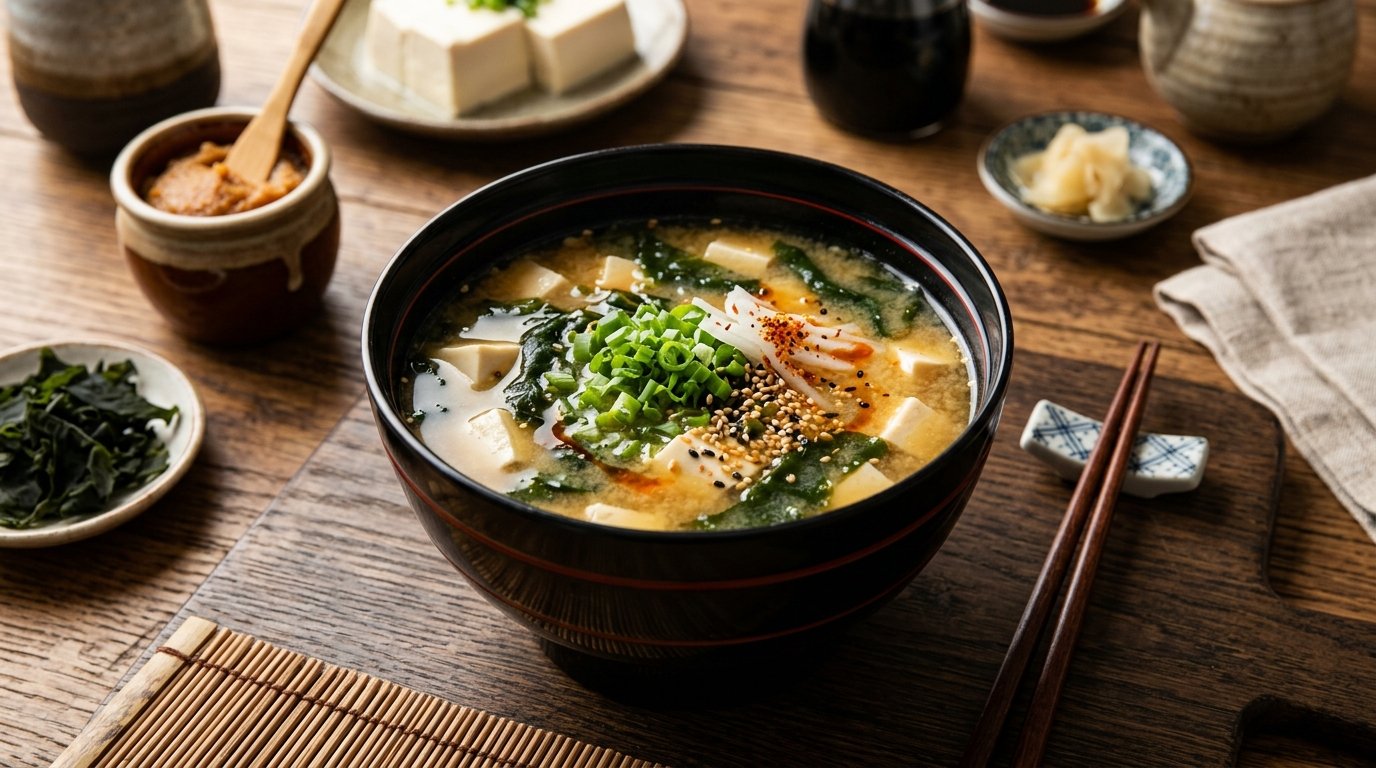
Miso soup is a comforting staple in Japanese cuisine, loved for its umami richness and nourishing qualities. This simple yet flavorful soup packs a punch and offers a warm embrace at both lunch and dinner. With its silky smooth texture and aromatic broth, miso soup perfectly balances salty and savory flavors, making it an ideal accompaniment for any meal or even enjoyed on its own.
Crafting miso soup at home is not only satisfying but also allows you to customize it to suit your tastes. Whether you’re looking for a soothing bowl after a long day or a quick meal prep option, this easy soup recipe brightens even the coldest days.
Why You’ll Love This Soup
- Easy soup recipe for beginners
- Comforting meal perfect for weeknights
- Healthy option packed with nutrients
- Meal-prep friendly and freezer-friendly
- Family-friendly, pleasing to all ages
Ingredients
For the soup base:
- 4 cups dashi or vegetable broth
- 3 tablespoons miso paste (red or white)
- 1 cup tofu, cubed
- 1 cup seaweed (wakame), dried
- 2 green onions, chopped
Optional toppings:
- Sliced radish
- Chili flakes or oil
- Sesame seeds
Step-by-Step Instructions
- In a medium pot, bring the dashi or vegetable broth to a gentle simmer over medium heat.
- Once simmering, add the dried seaweed. Let it soak for about 5 minutes, until it softens.
- In a small bowl, blend the miso paste with a ladle of hot broth until dissolved, then stir it back into the pot.
- Add the cubed tofu and allow it to gently warm through, about 2-3 minutes.
- Remove from heat and stir in half of the chopped green onions for an added touch of flavor.
- Serve immediately in bowls, garnishing with remaining green onions and any optional toppings.
Pro Tips & Common Mistakes
- Avoid boiling the miso paste; it can alter its flavor and health benefits.
- Ensure the broth is simmering, but not boiling, to prevent overcooking the delicate tofu.
- Don’t ignore the seaweed; it adds essential nutrients and a wonderful texture to the soup.
- If your soup is too thick, add more broth to achieve the desired consistency.
Variations
- Creamy version: Add a splash of coconut milk for creaminess.
- Healthy version: Incorporate more vegetables like spinach or bok choy.
- Vegetarian option: Use vegetable broth for a fully meat-free dish.
- High-protein soup: Include edamame or more tofu.
- Spicy version: Stir in some chili paste or fresh sliced chili for a kick.
- Slow cooker version: Combine all ingredients in a slow cooker for a hands-off approach.
Serving Suggestions
Miso soup pairs beautifully with a variety of dishes. Consider serving it alongside:
- A crusty loaf of bread for a hearty meal
- A fresh salad, like a cucumber or seaweed salad
- Rice or sushi for a full Japanese-inspired dinner
- As a light lunch with some crackers or rice cakes
Storage & Reheating
Store any leftover miso soup in an airtight container in the refrigerator for up to 3 days. For longer storage, you can freeze it for up to a month. When reheating, do so gently on the stove over low heat to preserve the flavor and texture. Avoid microwaving to keep the tofu from becoming rubbery.
Nutrition Information (Approximate)
- Calories: 150
- Carbs: 15g
- Protein: 10g
- Fat: 7g
FAQ Section
- Can I use any type of miso paste? Yes, both red and white miso work well; red is stronger in flavor.
- What if I can’t find dashi? Vegetable broth is a great substitute.
- Can I add more ingredients? Absolutely! Mushrooms, carrots, and bok choy all make great additions.
- Is miso soup gluten-free? If you use gluten-free miso and broth, yes!
Conclusion
This miso soup recipe is a wonderful way to experience the warmth and comfort of homemade soup. Easy to prepare and endlessly customizable, it’s the perfect dish to have on hand for a cozy dinner or a nourishing lunch. Give it a try, and enjoy the delightful flavors of miso soup in your own kitchen!
[ad_2]